



An MSA XCell sensor is a precision gas detection component used inside portable gas detectors to measure specific hazardous gases in the atmosphere. Each sensor is engineered for a particular gas type and communicates digitally with the gas detector to provide accurate concentration readings in real time.
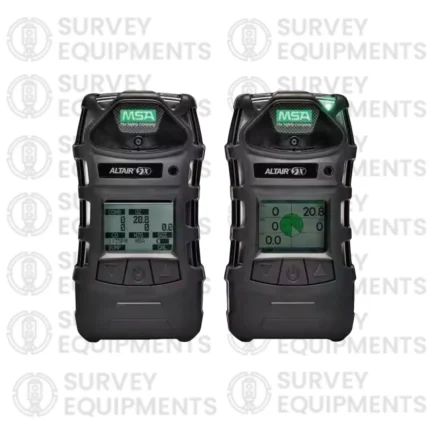
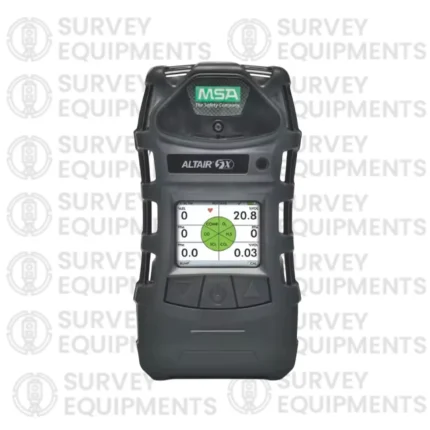
These sensors are critical safety components in portable multi-gas monitors such as the MSA ALTAIR 4X Gas Detector and MSA ALTAIR 5X Gas Detector, enabling reliable monitoring of toxic gases, oxygen levels, and combustible gases in workplaces.
Compatible Gas Detectors
The MSA XCell replacement sensors are designed for seamless integration with the following gas detectors:
- MSA ALTAIR 4X Gas Detector
- MSA ALTAIR 4XR Gas Detector
- MSA ALTAIR 5X Gas Detector
These detectors are widely used in industries that require continuous monitoring of hazardous gases, including oil and gas, mining, chemical plants, water treatment facilities, and confined space operations.
Available Sensor Models and Part Numbers
The MSA XCell series includes several gas-specific sensors designed for detecting different types of hazardous gases.
Selectable Sensor Options
| Sensor Type | Gas Detected | Part Number | Compatible Detectors |
| Oxygen Sensor | O2 | 10106729 | ALTAIR 4X / 4XR / 5X |
| Dual Toxic Sensor | H2S / CO | 10106725 | ALTAIR 4X / 4XR / 5X |
| Combustible Gas Sensor | EX | 10106722 | ALTAIR 4X / 4XR / 5X |
| Sulfur Dioxide Sensor | SO2 | 10106727 | ALTAIR 4X / 4XR / 5X |
| Chlorine Sensor | CL2 | 10106728 | ALTAIR 4X / 4XR / 5X |
Each sensor is calibrated to detect its target gas with exceptional accuracy and reliability.
Key Features of MSA XCell Replacement Sensors
Advanced Digital Sensor Technology
MSA XCell sensors incorporate digital signal processing technology that enables the gas detector to provide stable, real-time gas concentration readings. This digital architecture improves sensor communication and enhances overall detector performance.
Benefits of Digital Output Sensors
- Faster response times for gas detection
- More stable measurement signals
- Reduced calibration drift
- Improved reliability in harsh environments
Fast Response Time
One of the standout features of the MSA XCell sensor platform is its extremely fast response time. In critical safety situations, early detection of hazardous gases can significantly reduce risk to workers.
Advantages include:
- Rapid gas detection alerts
- Faster alarm activation
- Improved worker safety in hazardous environments
Long Sensor Life
MSA XCell sensors are designed for extended operational life, reducing maintenance costs and downtime.
Typical benefits include:
- Extended replacement intervals
- Lower total cost of ownership
- Reliable long-term gas monitoring
The robust internal sensor architecture ensures consistent performance over prolonged use.
Reliable Gas Detection Performance
Industrial environments often expose equipment to extreme conditions such as humidity, temperature fluctuations, and airborne contaminants. MSA XCell sensors are engineered to maintain accuracy even in these demanding conditions.
Key reliability advantages include:
- High resistance to environmental interference
- Stable readings under varying temperature conditions
- Durable construction for industrial applications
Gas Types Detected by MSA XCell Sensors
Oxygen (O2): Part Number 10106729
The oxygen sensor continuously measures atmospheric oxygen levels. Monitoring oxygen concentration is critical for worker safety because both oxygen deficiency and oxygen enrichment can be dangerous.
Applications include:
- Confined space entry
- Tank inspections
- Industrial plant maintenance
- Underground operations
Hydrogen Sulfide and Carbon Monoxide: Part Number 10106725
This dual sensor simultaneously detects two toxic gases:
- Hydrogen sulfide (H2S) common in oil and gas operations
- Carbon monoxide (CO) produced by incomplete combustion
This combination sensor is commonly used in industrial gas monitoring systems.
Combustible Gas Sensor: Part Number 10106722
The EX sensor is designed to detect combustible gases and vapors. It helps prevent explosions by identifying dangerous concentrations of flammable gases before they reach ignition levels.
Typical gases monitored include:
- Methane
- Propane
- Butane
- Natural gas
Sulfur Dioxide Sensor: Part Number 10106727
Sulfur dioxide is a toxic gas commonly found in industrial emissions and chemical processing facilities. The SO2 sensor provides accurate monitoring to protect workers from exposure.
Common applications include:
- Chemical manufacturing
- Industrial gas processing
- Power plants
Chlorine Sensor: Part Number 10106728
Chlorine gas is widely used in water treatment plants and chemical industries. The CL2 sensor ensures safe monitoring of chlorine leaks or exposure risks.
Common use cases include:
- Water treatment facilities
- Swimming pool chemical storage
- Industrial chemical plants
Key Benefits for Industrial Buyers
The MSA XCell replacement sensors provide significant operational and safety advantages for organizations relying on portable gas detectors.
Safety Benefits
- Reliable detection of toxic and combustible gases
- Early warning alerts for dangerous gas concentrations
- Protection for workers in confined spaces
Operational Benefits
- Easy sensor replacement
- Reduced downtime during maintenance
- Compatible with widely used ALTAIR gas detectors
Economic Benefits
- Long operational lifespan
- Lower maintenance costs
- Reduced need for frequent calibration
Typical Applications
MSA XCell sensors are used in a wide range of industries where gas detection is critical for worker safety and regulatory compliance.
Major Industry Applications
- Oil and gas exploration
- Mining operations
- Chemical manufacturing plants
- Water and wastewater treatment
- Power generation facilities
- Fire and rescue services
- Industrial safety inspections
- Confined space entry monitoring
These sensors ensure reliable detection of hazardous gases in environments where safety is a top priority.
Technical Specifications
Below is a structured overview of the typical technical characteristics of MSA XCell sensors.
| Parameter | Specification |
| Product Type | Gas Detection Sensor |
| Sensor Series | MSA XCell |
| Compatible Devices | ALTAIR 4X / 4XR / 5X |
| Sensor Output | Digital Sensor |
| Detection Method | Electrochemical / catalytic depending on gas |
| Gas Types | O2, H2S, CO, EX, SO2, CL2 |
| Part Numbers | 10106729, 10106725, 10106722, 10106727, 10106728 |
| Installation | Plug-and-play replacement |
| Application | Portable gas detection systems |
| Sensor Material | Industrial sensor mixture components |
| Use | Gas monitoring and worker safety |
Why Choose MSA XCell Sensors?
Choosing genuine MSA replacement sensors ensures optimal performance and safety compliance when using ALTAIR gas detectors.
Key Reasons to Choose Genuine Sensors
- Manufacturer-designed compatibility
- Factory-tested performance
- Accurate gas detection readings
- Certified industrial safety standards
Using non-original sensors may lead to inaccurate gas detection results, which can compromise safety and regulatory compliance.
Installation and Replacement
Replacing an MSA XCell sensor is straightforward and typically involves removing the old sensor and installing the new replacement sensor into the detector.
General process:
- Turn off the gas detector
- Open the sensor compartment
- Remove the old sensor module
- Insert the new MSA XCell sensor
- Reassemble the detector
- Perform calibration if required
Following proper installation procedures ensures the detector continues to operate accurately.
Frequently Asked Questions
What is the MSA XCell replacement sensor used for?
The MSA XCell replacement sensor is used to detect hazardous gases in portable gas detectors such as the ALTAIR 4X, 4XR, and 5X models. It monitors gases like oxygen, hydrogen sulfide, carbon monoxide, sulfur dioxide, chlorine, and combustible gases.
Which gas detectors are compatible with these sensors?
These sensors are compatible with:
- MSA ALTAIR 4X
- MSA ALTAIR 4XR
- MSA ALTAIR 5X
They are specifically designed for these models to ensure accurate gas detection.
How often should MSA gas sensors be replaced?
The replacement interval depends on usage and environmental conditions, but many MSA XCell sensors are designed to last several years under normal operating conditions.
What gases can these sensors detect?
Depending on the model selected, the sensors can detect:
- Oxygen (O2)
- Hydrogen sulfide (H2S)
- Carbon monoxide (CO)
- Combustible gases (EX)
- Sulfur dioxide (SO2)
- Chlorine (CL2)
Why is gas detection important in industrial environments?
Gas detection systems protect workers from exposure to toxic or explosive gases. Portable detectors equipped with reliable sensors provide early warnings and allow workers to evacuate or correct hazards before serious incidents occur.




Reviews
There are no reviews yet.